Introduction
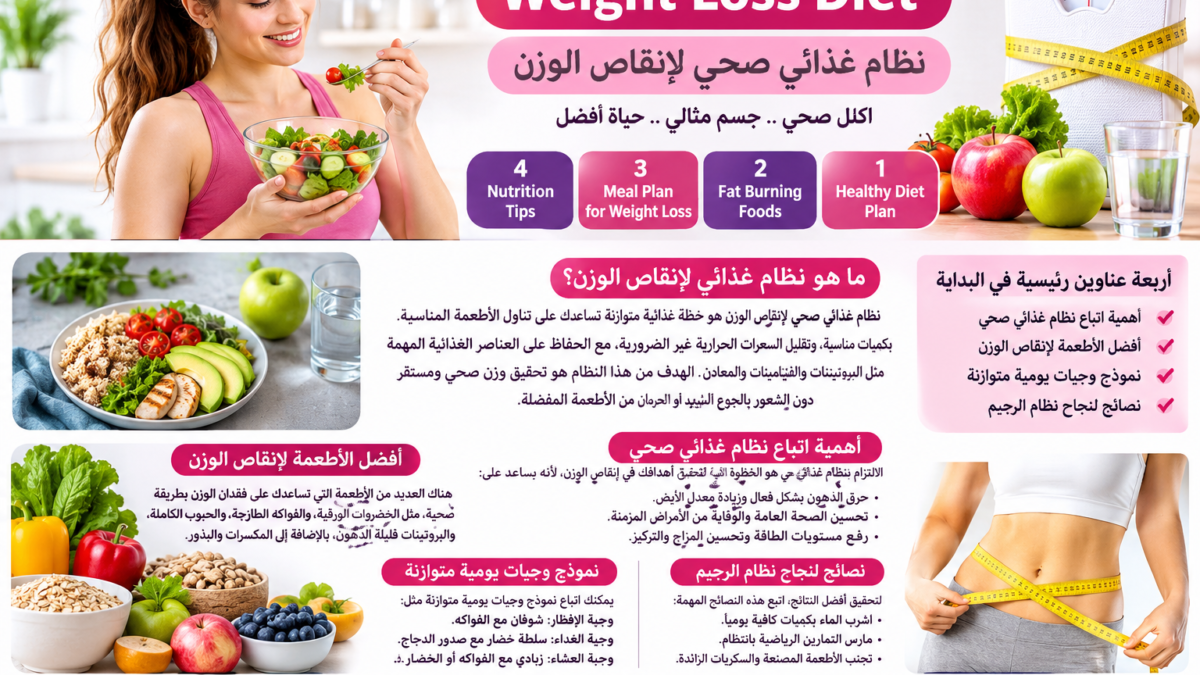
Losing weight is a common health goal for people who want to improve their overall well-being, increase their energy, and develop healthier habits. With so many diet plans and weight loss recommendations available, choosing the right approach can sometimes feel confusing.
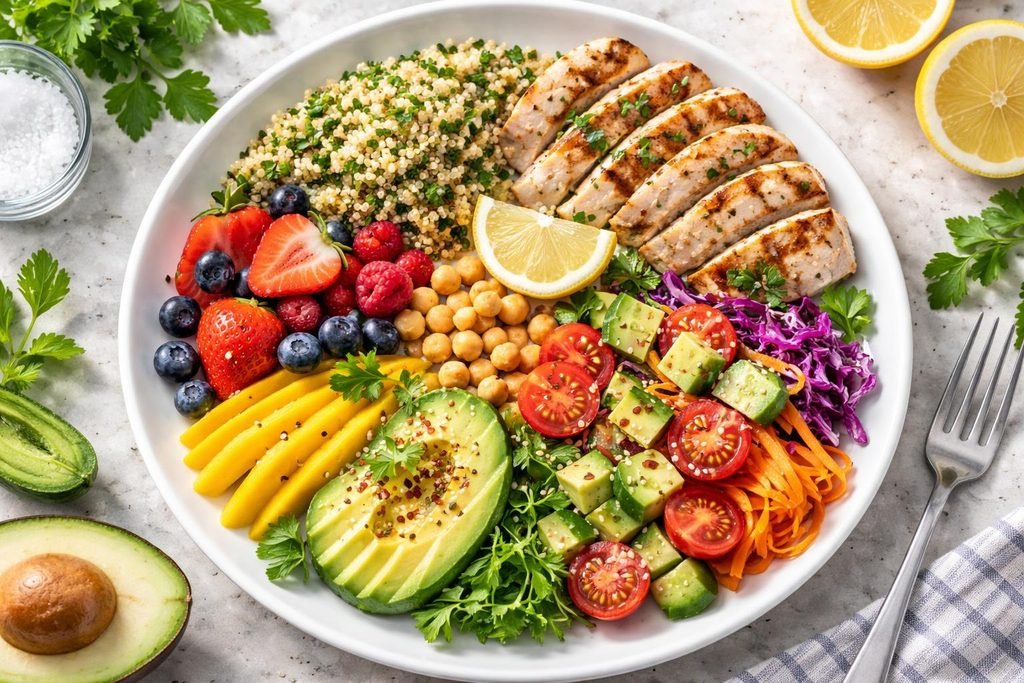
The truth is that healthy weight loss does not require starving yourself or following extreme diets. It is about choosing nutritious foods, managing portion sizes, creating balanced meals, and staying physically active.
In this guide, you will discover how to build a healthy weight loss diet, which foods can help you feel full, how to organize your daily meals, and what habits can support long-term results.
1. What Is a Weight Loss Diet?
A weight loss diet is an eating plan designed to help the body gradually lose weight by consuming fewer calories than it uses while still providing essential nutrients.
A healthy eating plan should include:
Fresh vegetables and fruits.
Lean protein sources.
Whole grains and fiber-rich foods.
Healthy fats in moderate portions.
Limited added sugars.
Plenty of water.
Balanced meals and appropriate portions.
The main goal is not simply to lose weight quickly. It is to develop healthy habits that can be maintained over time.
2. Best Foods for Weight Loss
Choosing nutritious foods is one of the most important steps toward successful weight management. Some foods provide fiber, protein, and water, helping you feel satisfied without consuming excessive calories.
Leafy Green Vegetables
Spinach, lettuce, kale, and other leafy vegetables are excellent choices because they provide vitamins, minerals, and fiber.
They can be added to salads, sandwiches, soups, and main meals.
Healthy Protein Sources
Protein helps support muscle maintenance and can increase feelings of fullness.
Good protein options include:
Chicken breast.
Fish.
Eggs.
Plain yogurt.
Lentils.
Beans and chickpeas.
Choose healthier cooking methods such as grilling, baking, and boiling instead of frequent deep frying.
Fresh Fruits
Fruits provide fiber, vitamins, water, and natural sweetness. Apples, oranges, berries, strawberries, and kiwi are convenient options for balanced snacks.
Whole fruits are generally a better everyday choice than sugary fruit drinks.
Whole Grains
Whole grains provide energy and dietary fiber. Examples include oatmeal, brown rice, whole-wheat bread, and quinoa.
Including reasonable portions of whole grains can help create satisfying meals.
3. Why Protein and Fiber Matter
Protein and fiber are important parts of a balanced weight loss diet.
Protein supports muscle maintenance, especially when combined with resistance exercise. It may also help reduce hunger between meals.
Fiber supports digestive health and can help you feel full for longer. It is found in vegetables, fruits, beans, lentils, nuts, and whole grains.
Try to include a source of protein and fiber in your main meals to support a balanced eating routine.
4. A Simple Daily Weight Loss Meal Plan
The following example can help you organize your meals. Portion sizes should be adjusted according to your individual calorie needs, activity level, and health goals.
Breakfast:
Two boiled eggs or another protein source.
One slice of whole-grain bread.
Fresh cucumber and tomatoes.
Water or unsweetened tea.
Morning Snack:
One apple or orange.
A small handful of unsalted nuts.
Lunch:
Grilled chicken breast or fish.
A moderate portion of brown rice.
A fresh green salad.
Afternoon Snack:
Plain yogurt.
A few strawberries or blueberries.
Dinner:
Vegetable salad with tuna or chickpeas.
A small serving of whole-grain bread if needed.
This is a general meal example, not a personalized diet prescription. Your nutritional needs depend on several factors, including age, height, weight, activity, and medical history.
5. Foods to Limit for Better Weight Management
You do not need to eliminate every favorite food to achieve healthy weight loss. However, reducing certain foods can make it easier to manage daily calorie intake.
Consider limiting:
Sugar-sweetened soft drinks.
Cakes and pastries.
Frequent fast food meals.
Deep-fried foods.
High-calorie packaged snacks.
Sauces containing large amounts of added sugar or fat.
Choose water instead of sugary beverages and prepare balanced meals at home whenever possible.
6. How to Build a Balanced Plate
A simple way to organize your meals is to divide your lunch or dinner plate into three sections:
Half the plate should contain vegetables.
One quarter should contain protein, such as fish, chicken, eggs, or beans.
One quarter should contain whole grains or other starchy foods.
This approach provides a useful balance of nutrients and makes portion control easier.
Eating slowly and paying attention to hunger and fullness signals can also help you develop healthier eating habits.
7. Does Drinking Water Help With Weight Loss?
Water is essential for many important body functions, including temperature regulation, digestion, and nutrient transportation.
Drinking water regularly may also help some people manage their appetite, particularly when thirst is mistaken for hunger.
Try to drink water throughout the day and increase your fluid intake when exercising or spending time in hot weather.
You do not need expensive detox drinks or special fat-burning beverages. Regular water is an excellent hydration choice.
8. Exercise and Weight Loss
Combining a healthy diet with regular physical activity can support weight management and improve overall fitness.
You do not need an expensive gym membership to become more active. Simple activities can make a difference, including:
Walking.
Cycling.
Swimming.
Bodyweight exercises.
Strength training.
Stretching and mobility exercises.
Aerobic activities support cardiovascular health, while strength training helps maintain muscle mass.
Choose activities that you enjoy so you can build a consistent routine.
9. Common Weight Loss Mistakes to Avoid
Some common mistakes can make weight management more difficult.
Skipping meals frequently: This may lead to excessive hunger later in the day.
Following extreme diets: Highly restrictive eating plans can make it difficult to obtain essential nutrients and maintain healthy habits.
Expecting immediate results: Healthy weight loss takes time, and progress differs from person to person.
Ignoring sleep: Good sleep supports general health and healthy appetite regulation.
Focusing only on the scale: Pay attention to your daily habits, physical activity, energy levels, and other signs of progress.
10. How to Maintain Your Weight Loss Results
Maintaining a healthy weight requires consistency and a realistic lifestyle.
Follow these practical habits:
Continue eating balanced meals.
Stay physically active.
Include vegetables and fruits regularly.
Limit added sugars.
Get enough sleep.
Avoid returning to unhealthy eating patterns.
Monitor your progress regularly without becoming obsessed with the scale.
Small, sustainable changes are often easier to maintain than temporary diet restrictions.